Design Insights · 10/26/2026
About “rolling sessions.”
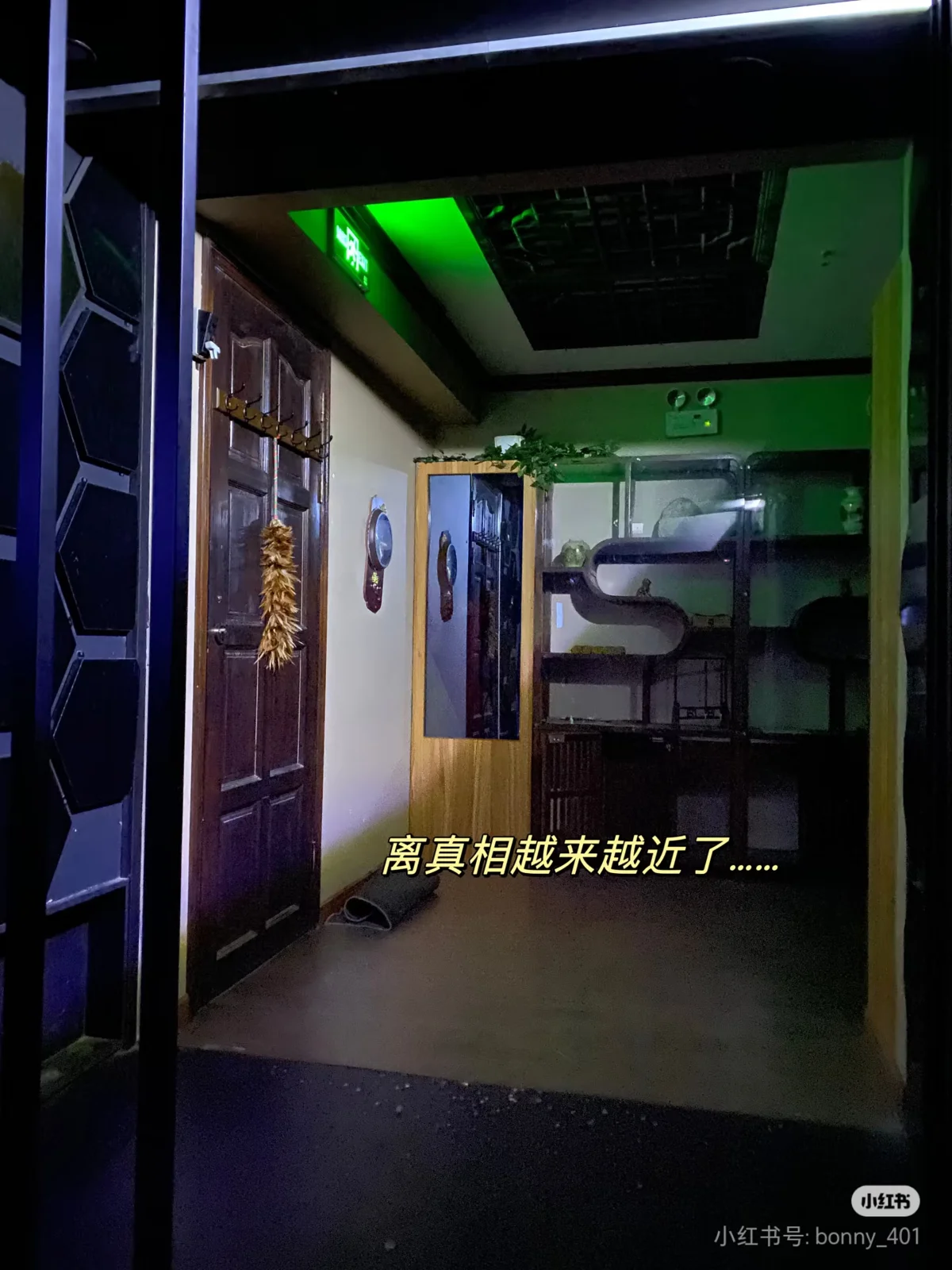
The earliest place I saw this idea was in Teacher Hao’s Escape Room Operations Handbook. It described rolling sessions like this:
“…Through data analysis, we found that 80% of annual profit comes from concentrated holiday traffic… So we made major changes in theme design… shortening the average turnaround from 75 minutes to 45 minutes, which greatly improved peak-season capacity.”
“That meant that in peak season we could handle roughly twice the guests of other rooms of similar size. As for the off-season, nobody has many guests anyway, and the profit contribution is small.”
So rolling sessions came from data analysis: most profit comes from peak holiday traffic.
Rolling-session design does not only make peaks stronger; it can also help off-season traffic. More sessions mean more choices for players and less decision friction.
Imagine two almost identical themes: one starts every half hour, the other every two hours.
You would pick the first—because you do not have to wait as long.
That does not mean every theme must roll.
Rolling sessions need special care in design and construction, and later labor cost rises—about 1.5× to 2× the original theme’s workload.
By Xiaoying’s standard, at least half of a store’s themes should be able to roll, and any theme over 40㎡ must roll.
Again I am impressed by how early that Canadian insight was.
Ideas raised in 2015–2016 only slowly gained attention in 2023–2024. Many operators still do not fully get it, but following the practice already shows the industry is moving forward.
Xiaoying is also beta-testing operations software for escape rooms and murder-mystery venues—a one-stop “business flow” tool. For anyone serious about data analysis, it matters.